

Lloyd Worrall at 80: How Building Specification Has Evolved
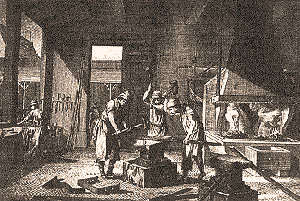
This November, Lloyd Worrall celebrates 80 years in business, having first established its roots in Tebworth, Bedfordshire, on 26 November 1946. Britain was rebuilding after the Second World War; housing was a national priority, and the construction industry faced very different demands than today.
Architectural ironmongery was at the heart of our business from the beginning, with the historic Chiltern range forming part of our early offering. Looking back over eight decades, it’s striking how much the wider industry has changed alongside us.
Today, architects and contractors face increasingly detailed requirements when specifying building products, with greater emphasis on performance, compatibility and technical evidence. The evolution of architectural ironmongery offers a useful example of these changes.
How the role of architectural ironmongery has evolved
Architectural ironmongery allows doors to open, close, lock and operate as intended. Selecting suitable hardware has always required an understanding of how doors will be used, but the requirements surrounding individual openings have developed considerably.
Take a door in a busy public building for example. It must withstand frequent use, provide accessible entry and maintain security. If it also forms part of a fire escape route, further requirements apply.
These considerations influence the selection of locks, hinges, closers, handles and other components, which must be suitable for the door and compatible with one another. Architectural ironmongers play an important role in translating these requirements into coordinated hardware specifications, particularly where safety-critical products are involved.
Fire safety and the importance of tested performance
Fire safety has long been an important part of building design, while testing methods, product evidence and regulatory expectations have continued to develop.
Modern fire door specifications must consider the performance of the complete assembly, including the door leaf, frame, seals and associated ironmongery. A component described as fire-rated can’t automatically be fitted to any fire door.
Specifications must be supported by relevant evidence and reflect the configuration being installed. Substitutions during procurement or changes on site create problems if replacement products fall outside the scope of that evidence.
This makes coordination between design and installation key. Even a carefully prepared specification can be undermined if it isn’t followed.
Lloyd Worrall established its specialist doorsets division in 2012, expanding our ability to support customers with these increasingly detailed requirements. Maintaining fire performance depends on everyone involved understanding and following the agreed specification.
Accessibility and security in modern buildings
Expectations around accessibility have developed alongside legislation, standards and greater awareness of different users’ needs. These considerations now influence how entrances, doors and circulation spaces are designed.
A door closer, for example, must control the door effectively without making it unnecessarily difficult to open. Its selection can have a significant effect on how comfortably people use a building.
Security introduces further considerations. An entrance may need to prevent unauthorised access while allowing convenient movement for approved users and, where required, safe emergency escape.
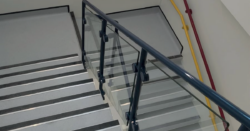
Electronic access control and automatic doors can meet these needs when correctly designed and coordinated. Lloyd Worrall expanded into dedicated access control and door automation services in 2011, followed by handrail and balustrade solutions in 2014.
These additions reflected the growing need to consider how different building elements work together, particularly in environments with demanding safety and accessibility requirements.
From paper catalogues to digital building specification
Our historic Chiltern catalogues offer a glimpse into how architectural ironmongery was once presented to specifiers, with product drawings, dimensions, finishes and available options set out on printed pages.
Today, CAD drawings, BIM objects and electronic product information have transformed how specifications are prepared and shared. Digital design tools allow architects and contractors to coordinate products within the wider building design and identify potential issues before work reaches the site.
In 2014, Lloyd Worrall introduced an early generic doorset BIM library with selectable ironmongery options. This allowed specifiers to consider doorset and hardware information together within a digital design environment.
Although these tools have improved coordination, they still rely on accurate information and sound technical judgement. In recent years, the challenge is also to ensure that information remains reliable beyond the design stage.
Compliance, traceability and the future of specification
Recent developments in building safety have brought greater attention to competence, accountability and the evidence needed to demonstrate compliance.
Appropriate product specification only plays a small part in this process. Supporting information must remain available, changes need to be assessed, and the products installed must match the agreed requirements.
For example, a fire door whose hardware is changed between specification and installation. Without accurate records, establishing whether the completed assembly remains within the scope of its supporting evidence can become difficult.
The Golden Thread approach emphasises maintaining accurate, accessible building safety information throughout the relevant stages of a building’s lifecycle.
Lloyd Worrall’s InterspecThread platform supports this through QR codes linking physical fire door installations to digital records. This information helps those responsible for installation, inspection, maintenance and future work.
Digital systems are valuable, although their effectiveness still depends on the quality of the information recorded and the competence of those using it.
We can’t predict the future, but we can safely say that communication between specifiers, manufacturers, suppliers and installers will remain essential to ensuring that design decisions are carried through to the finished building.
80 years of Lloyd Worrall, and the years ahead
From our beginnings in Bedfordshire in 1946 to the architectural solutions we provide today, Lloyd Worrall has developed alongside the changing needs of the construction industry.
That progress has been made possible by the knowledge and experience of our teams, past and present, and the relationships we’ve built with customers, suppliers and industry partners.
Building specification will continue to evolve as standards, technologies and expectations change. Whatever comes next, accurate information, technical expertise and effective coordination will remain central to delivering buildings that perform as intended.
As we celebrate our 80th anniversary, we’re proud of the work and relationships that have shaped Lloyd Worrall over the past eight decades, and we look forward to building on them in the years ahead.
To find out more about our architectural ironmongery and specification services, get in touch.
Back To News